DLM — Electronics, Tools & Home Store

Categories

Categories currently unavailable.

Open catalog
Language
UAEN

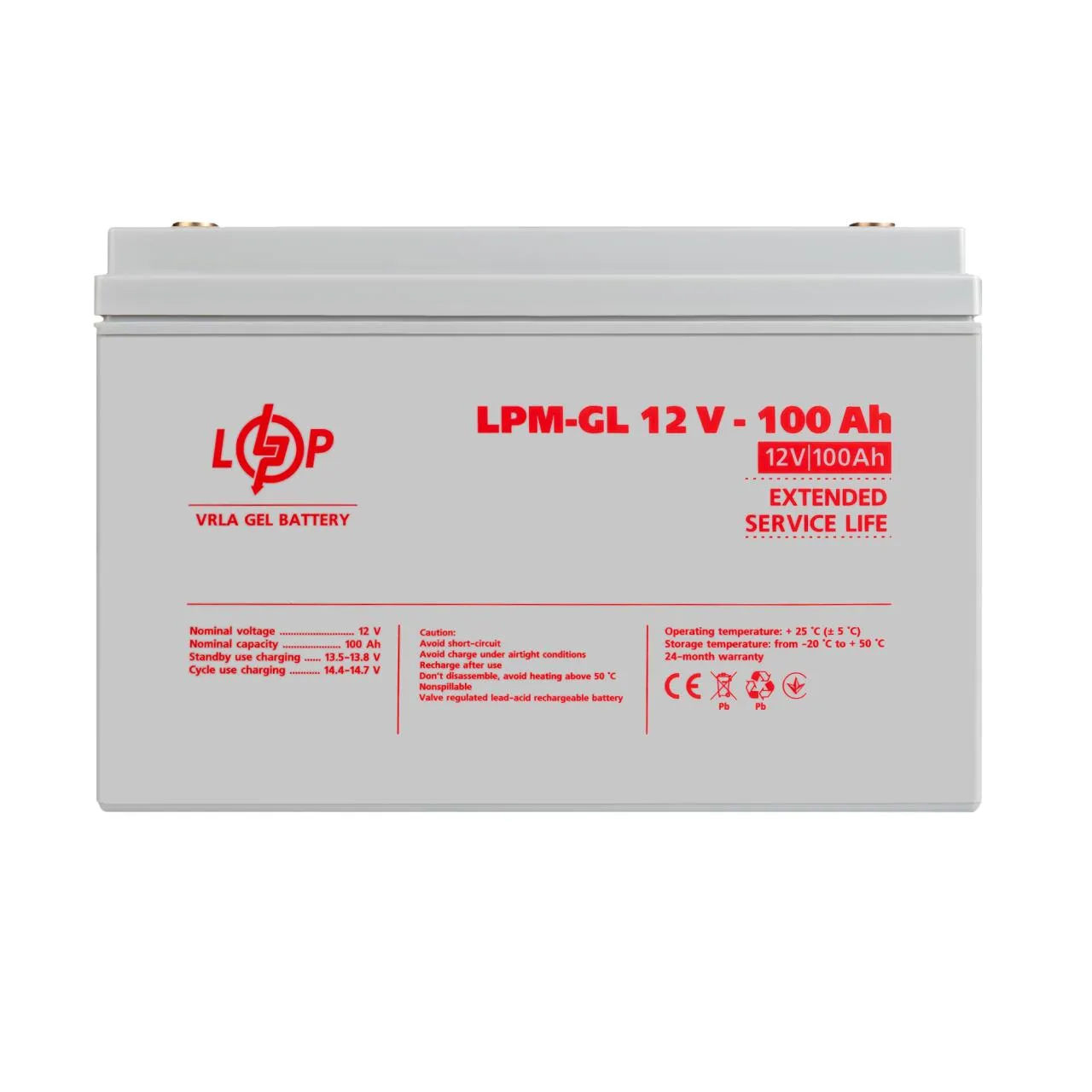
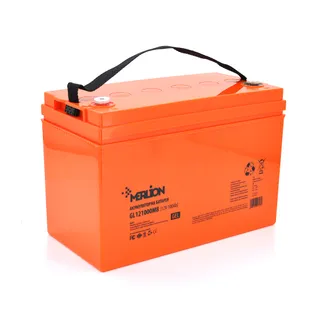
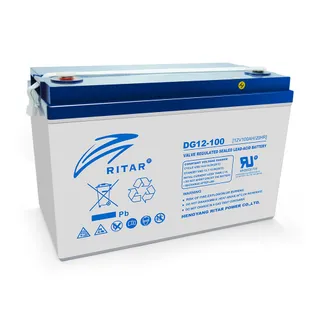
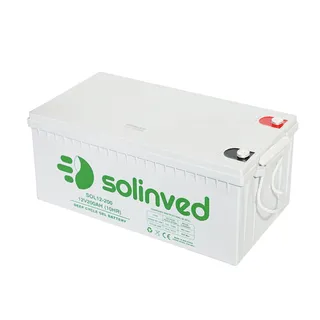
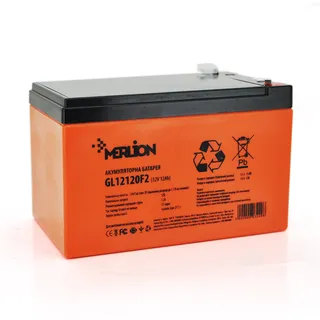
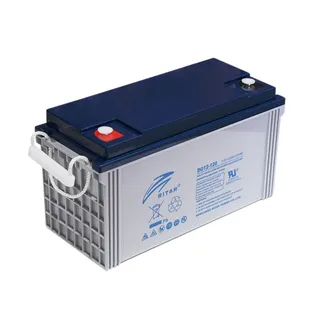
Outlet/Refurbished Gel Battery LPM-GL 12V - 100 Ah

SKU 24109

Description

Reason for discount: damaged packaging appearance, dent in the lower part of the housing.

Gel (GEL) rechargeable battery is a completely sealed power source that requires no maintenance during storage and operation.

When considering a gel battery, its advantages and disadvantages, we can conclude that GEL-type batteries significantly outperform conventional lead-acid batteries in technical parameters and operational characteristics.

Advantages of a gel battery:

  • High charge/discharge cycle life (1200*) and, consequently, longer service life (on average 7-8 years, depending on operating conditions).
  • The battery can be installed in residential premises. The viscous electrolyte structure and complete housing sealing eliminate acid leakage and guarantee the absence of harmful vapors.
  • In practical use, gel batteries show stable results when operating under low (-20°C) and high (+50°C) ambient temperatures. The wide operating temperature range allows using GEL as storage batteries for solar power plants.
  • The manufacturing technology of gel batteries implies their ability to withstand prolonged discharge, cyclic discharge, deep discharge, and high-current discharge.
  • Batteries of this type have low self-discharge rates during long-term storage and reliable self-protection against over-discharge and overcharge.

Features of Gel Battery Production

The main feature of gel batteries is the viscous (gel-like) electrolyte structure.

Filling the housing with electrolyte is performed using a vacuum pump, which achieves uniform concentration and high density of contact with the plates.

Separators separating the lead electrodes of gel batteries are made of durable microporous material with aluminum additives. This design makes the separator resistant to vibrations and mechanical damage, as well as to chemical effects of the aggressive acid environment inside the battery.

After electrolyte filling, the battery undergoes prolonged drying, during which microcracks form in the electrolyte structure. This technology reduces evaporative emissions by several times.

Rechargeable batteries manufactured using GEL technology, compared to AGM batteries with equivalent electrolyte volume, have:

  • higher capacity,
  • stably uniform reaction across all parts of the plate,
  • lower plate corrosion,
  • high heat dissipation,
  • minimal electrolyte stratification rates.

What is a Gel Battery Used For?

Universal external gel-type batteries are used:

  • In telecommunications and other communication systems.
  • For video surveillance, security, fire alarm, and other signaling equipment.
  • In uninterruptible power supply systems for server stations.
  • As a power source for medical, laboratory, commercial, and other specialized equipment.
  • In energy storage systems from alternative sources (batteries for solar panels).
  • To provide backup or emergency lighting.
  • As batteries for uninterruptible power supplies and UPS units.

Which batteries are best for solar panels, and which battery to buy for a UPS?

Choosing a battery for a SES depends on the generation volumes of the solar power plant, as well as the required amount of electricity to meet consumption needs.

An AGM or gel battery for a solar panel must have sufficient capacity margin, a wide operating temperature range, and a long service life.

Before deciding which battery is better to buy for a UPS, carefully review the parameters of the uninterruptible power supply and determine the amount of time required for autonomous operation of the electrical equipment.

Gel batteries are in high demand among consumers purchasing backup power kits for heating boilers, emergency lighting systems, or autonomous water supply.

How to avoid battery capacity loss during frequent power outages?

Two important rules for caring for AGM, GEL, MG batteries:

  1. Do not frequently discharge the battery by more than 30% of its capacity (take this into account when calculating battery capacity).
  2. After discharge, the battery must be fully charged with a current equal to 1/10 of the capacity for 10 hours.

IMPORTANT! If a group of multiple batteries connected in parallel or series is used:

  • all batteries must have the same capacity,
  • be of the same type (AGM, GEL, or MG),
  • have the same voltage, the same number of charge/discharge cycles,
  • be from the same batch and of the same brand.

Specifications

Technical Specifications

Rated Capacity, Ah
100
Rated Voltage, V
12
Maximum Charging Current, A
20
Type
gel
Internal Resistance, mOm
5
Charging Voltage (buffer mode), V
13.5-13.8
Charging Voltage (cyclic mode), V
14.4-14.7
Short-Circuit Current, A
3000
Rated Charging Current, A
10
Starting Current, A
800
Terminal Type
T11 (for M8 bolt)
Number of Cycles
1200
Housing Material
plastic
Battery Storage Temperature, °C
-20 ~ +50
Operating Charging Temperature, °C
-10 ~ +50
Operating Discharging Temperature, °C
-15 ~ +50
Length, mm
330
Width, mm
172
Height, mm
220
Height with Terminals, mm
225
Warranty, months
6
Weight, kg
28.5

General Information

Model
Outlet/Refurbished Gel Battery LPM-GL 12V - 100 Ah
SKU
24109
Condition
New (Original factory package)
Warranty
Official manufacturer warranty

Delivery & Payment

Nova Poshta delivery across Ukraine

Dispatch to post branches, parcel lockers, or by courier to your doorstep. All packages are insured for 100% of value. Delivery time: 1–3 business days.

Payment & Pick-up

Flexible options: Cash on delivery at Nova Poshta branch or bank transfer invoice (IBAN) for individuals, FOP and companies.
Shopping Cart

0 items

Your cart is empty

Add items from the catalog to place an order.

Explore Catalog